

Strange Car Noises and What They Mean
Strange car noises rarely fix themselves. A minor sound may mean a simple repair. Sometimes, it is the first warning that a brake component, bearing, belt, or engine part is wearing out. The important thing is to notice when the noise happens, where it comes from, and whether it changes with speed, braking, acceleration, or turning.
Why You Should Never Ignore Strange Car Noises
Vehicles get noisy for a reason. Parts lose lubrication, belts slip, brake material wears down, heat shields loosen, and bearings begin to fail. A strange sound may not mean an emergency, but it does mean something has changed. Waiting too long can turn a smaller repair into a larger one, especially if the issue affects your brakes, steering, engine, or transmission.
Noises From the Engine
Strange car noises from the engine matter because they often point to parts moving quickly under high heat. The first clue is the type of sound you hear. A sharp tick is different from a deep knock, and a hiss is different from a squeal. Noticing that difference can help you explain the problem more clearly when it is time for service.
Knocking or Pinging
Knocking or pinging usually sounds like a metallic tap or rattle from the engine under load. It can be related to combustion issues, fuel quality, or timing. In serious cases, a heavier knocking sound can point to internal engine trouble. If it becomes loud, steady, or deeper in tone, it should be checked quickly.
Tapping or Ticking
A tapping or ticking sound from the engine can have a few causes. Some ticking may come from valvetrain components, injectors, or parts not getting ideal lubrication. If the sound rises and falls with engine speed, that is useful information to pass along. A brief light tick on startup may be less concerning than a persistent tapping after the engine has warmed up.
Hissing Under the Hood
A hissing sound under the hood often suggests air, coolant, or vacuum is escaping from somewhere it should not. It can also happen when a hose is loose or when hot fluid reaches the wrong place. Because the area under the hood can be hot, this is not the kind of noise to investigate casually. If you hear hissing with steam, overheating, or a warning light, stop driving and have the vehicle checked.

Noises When Braking
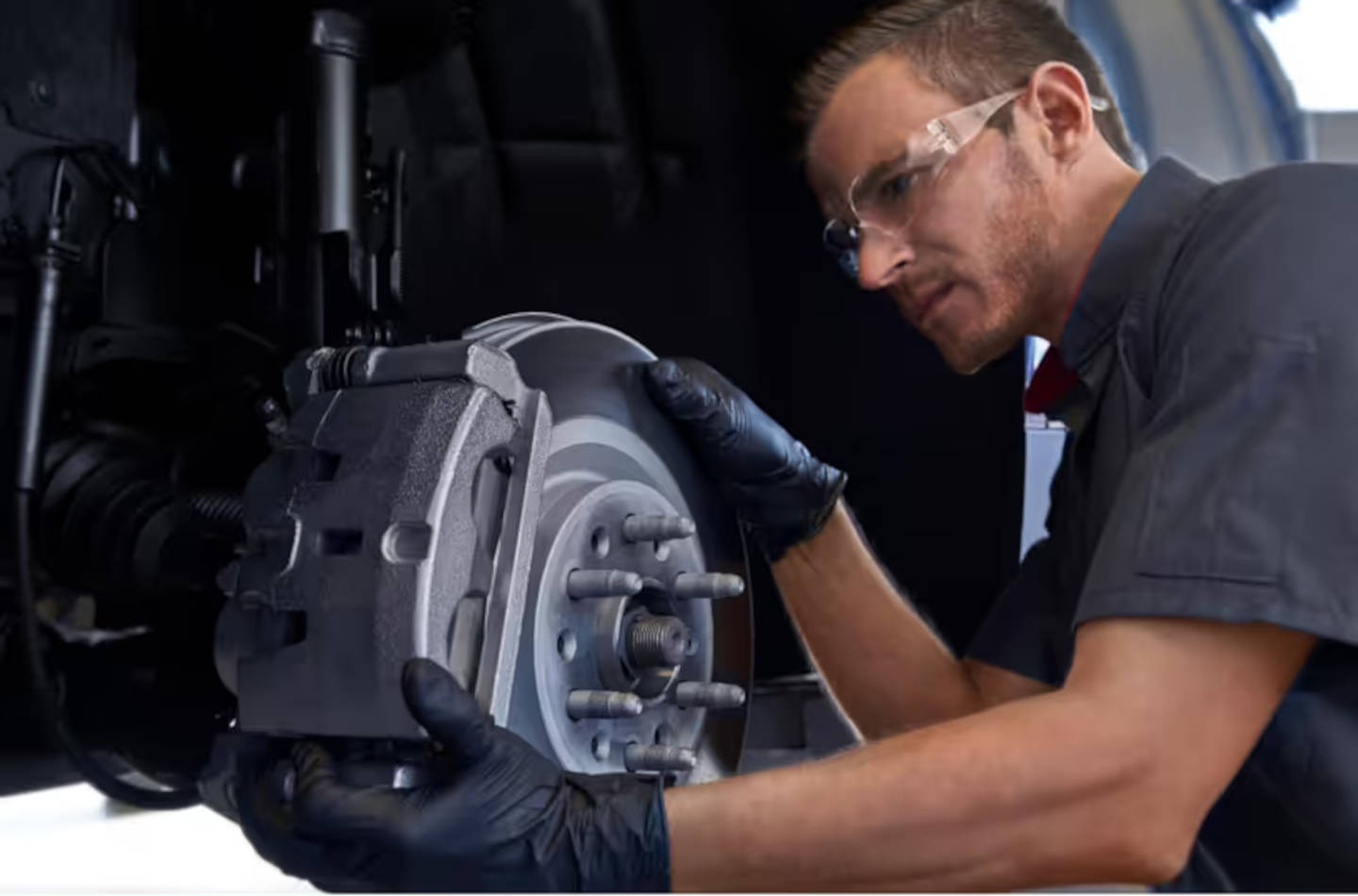
Strange car noises from the brakes are common and easy to misread. Not every squeal means immediate danger, but brake sounds should never be ignored. The timing matters. A noise when you first touch the pedal means something different from a noise that appears only when stopping hard or near a standstill.
Squealing or Screeching
A squealing or screeching noise when braking often points to brake pad wear or vibration between the pad and rotor. Moisture, surface rust, or cold brake components can cause temporary noise, especially after the vehicle has been sitting. If the squeal goes away quickly, it may be less serious. If it keeps happening or gets louder, it is time for an inspection.
Grinding When You Stop
Grinding when you stop is one of the brake sounds you really do not want to ignore. It can mean the brake pads are worn badly enough that metal is contacting metal, or that another brake component is damaged. Grinding can also score the rotors and increase repair costs. If your car grinds as it comes to a stop, schedule service right away.
Noises When Accelerating
Acceleration changes how the engine, belts, transmission, and driveline are loaded, so sounds that appear only when you speed up can be useful clues. If the noise is tied to throttle input, say so. If it gets louder with RPM or disappears when you lift off the gas, mention that too. Those details help narrow the source.
Roaring During Acceleration
A roaring sound during acceleration can be as simple as a noisy exhaust, but it can also point to an intake issue, exhaust leak, or drivetrain problem. If the vehicle suddenly sounds much louder than normal when you press the accelerator, pay attention to whether the sound is coming from the front, middle, or rear of the vehicle. A new roar is worth checking.
Chirping or Squealing Belts
Chirping or squealing belts often sound worst on startup, during acceleration, or when accessories like the air conditioning are running. That noise can happen when a belt slips, wears, gets contaminated, or loses proper tension. Sometimes, the belt is not the real problem and the sound is coming from a pulley or tensioner bearing. Repeated belt noise is a good reason to have the system inspected.
Noises When Turning
Turning loads the steering and suspension differently, so strange car noises that appear in corners or during low-speed maneuvering can reveal problems that stay hidden the rest of the time. It helps to notice whether the sound happens only at full lock, only in one direction, or only while the vehicle is moving. A click, groan, or whine while turning can point technicians toward different systems.
Clicking From the Front End
A clicking sound from the front end while turning can be related to worn drivetrain or suspension components, especially if it repeats rhythmically as the wheel rotates. If the clicking shows up mostly during tighter turns or parking lot maneuvers, that pattern matters. The sound may not mean the vehicle is about to stop moving, but it should not be dismissed, especially if you also feel vibration or looseness.
Groaning or Whining Steering
A groaning or whining sound when turning the steering wheel can point to steering assist issues, fluid problems on hydraulic systems, or wear in related components. Some vehicles may also make steering-area noises from interior trim or column parts. Even so, any repeated groan, squeal, or whine while steering deserves attention because it affects a core control system.
Noises From Under the Car
Strange car noises from under the car include rattles, clunks, scrapes, or hums. A loose heat shield can rattle. An exhaust leak can change the whole tone of the vehicle. A transmission or driveline issue can sound like whining, clunking, or grinding, especially during shifting or under load. If the sound seems to come from beneath the cabin rather than under the hood, say so, because that helps narrow diagnosis.
Noises Related to Your Wheels
Wheel-related noises often change with road speed more than engine speed. A worn wheel bearing may hum, growl, or drone, and the sound may get worse as speed increases or as the vehicle loads one side in a turn. Tire roar, uneven tread wear, differential noises, and some front-end aerodynamic noises can sometimes mimic bearing trouble. If the sound follows vehicle speed rather than RPM, the wheels, tires, or hubs deserve a close look.
FAQs
If you are hearing an unfamiliar sound, the most useful thing you can do is note the pattern before service: when it happens, how often it happens, and whether the noise changes with braking, speed, steering, or throttle. Even a rough description can help move the diagnosis in the right direction.
Why Is My Car Making Strange Noises?
Because something has changed. Strange car noises usually mean a component is wearing, moving, leaking, loosening, or losing lubrication in a way it should not. The exact cause depends on when the sound occurs. A squeal when braking points you in a different direction than a hum at highway speed or a hiss under the hood.
What Can Be Mistaken For Wheel Bearing Noise?
Tire noise is the big one, especially if the tread is uneven or cupped. Differential or transmission-related sounds can also be misread as wheel bearing noise, and some front-end noises are easy to misdiagnose without a proper inspection. That is why a hum or drone should be traced carefully.
What Does Transmission Noise Sound Like?
Transmission noise can sound like whining, clunking, or grinding, especially while shifting or accelerating. Some vehicles may also hesitate, shift roughly, or feel delayed. If the noise appears with gear changes or comes from underneath the vehicle while driving, the transmission or driveline may need attention.
What Do Different Car Noises Mean?
Different strange car noises point to different systems. Knocking, ticking, or hissing often suggests engine-bay issues. Squealing or grinding while braking often points toward the brakes. Clicking during turns may suggest front-end driveline or suspension wear. Humming that rises with road speed often sends attention toward the tires, hubs, or bearings. The meaning comes from both the sound itself and the moment it appears.
Get Your Car Serviced at Colonial Cadillac
If your vehicle has started making a strange noise, have it checked before the problem grows. Colonial Cadillac's Certified Service team in New London, CT, can inspect brakes, battery, tires, fluids, and more, helping identify the cause and next steps. Trust our experts to provide a comprehensive, accurate, and professional diagnosis. Catching the issue early can help prevent a minor noise from becoming a more expensive repair.

